Drone Sensors for UAV, Robotics and Aviation Systems
Drone sensors are essential electronic components used in UAV systems to collect environmental data, monitor motion, and maintain stable flight control. These sensors allow drones to measure altitude, detect nearby obstacles, monitor environmental conditions, and navigate complex environments with high accuracy.
Modern drones rely on multiple sensors working together to provide real-time flight data. Information collected by these sensors is processed by the flight controller to maintain balance, improve navigation accuracy, and ensure safe operation during flight missions.
The sensor modules available at Mall of Aviation are designed for drone development, robotics projects, industrial automation systems, and embedded electronics platforms. These sensors offer reliable performance for developers, engineers, and drone enthusiasts building advanced UAV systems.
Major Types of Sensors Used in Drone Systems
Different drone missions require different sensor technologies. Each sensor type contributes to flight stability, environmental monitoring, or navigation accuracy.
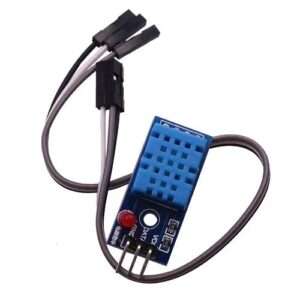
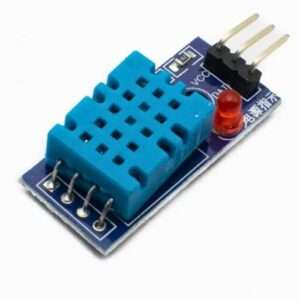
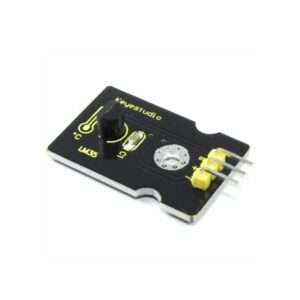
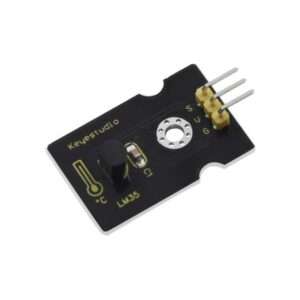
- Temperature Sensors – Measure surrounding temperature conditions for environmental monitoring.
- Humidity Sensors – Monitor atmospheric humidity levels.
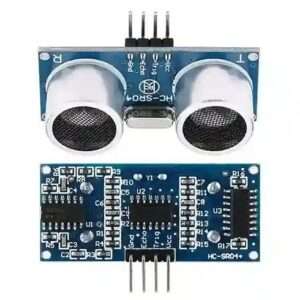
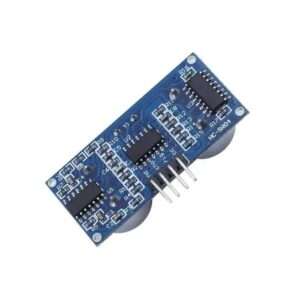
- Ultrasonic Distance Sensors – Measure distance and help detect obstacles.
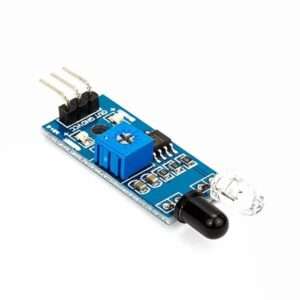
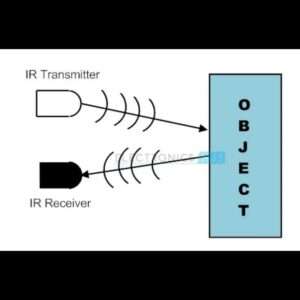
- Infrared Sensors – Used for proximity detection and collision avoidance.
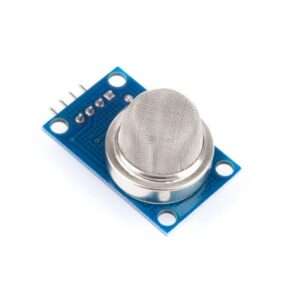
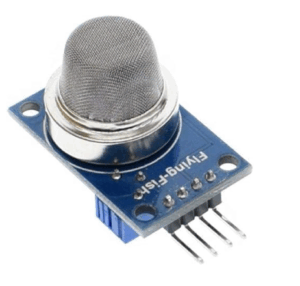
- Gas Sensors – Detect gases such as LPG, methane, or smoke.
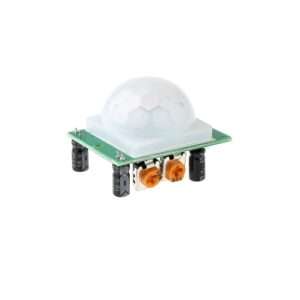
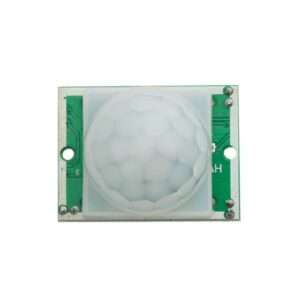
- Motion Sensors – Detect movement in surveillance or automation systems.
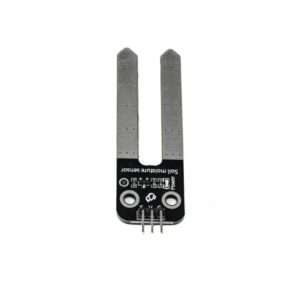
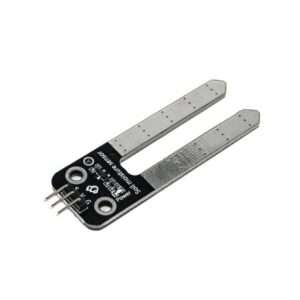
- Soil Moisture Sensors – Used in agricultural drone monitoring applications.
Key Advantages of Drone Sensor Modules
Drone sensors provide several advantages for UAV systems and robotics applications.
- High precision data collection
- Compact electronic design suitable for drones
- Low power consumption for longer operational time
- Fast response and accurate measurement
- Easy integration with microcontrollers
- Compatible with Arduino, Raspberry Pi and flight controllers
How Sensors Improve Drone Performance
Sensors are responsible for maintaining drone stability and navigation accuracy. For example, gyroscopes and accelerometers detect orientation changes, while barometers measure altitude. Ultrasonic and infrared sensors help drones detect nearby obstacles and adjust flight paths automatically.
When multiple sensors work together in a drone system, they create a comprehensive environmental awareness system. This allows drones to perform complex tasks such as automated navigation, aerial mapping, obstacle avoidance, and environmental monitoring.
Applications of Drone Sensors
Drone sensors are used in many industries where environmental data collection and autonomous flight systems are required.
- UAV navigation and stabilization
- Agricultural drone monitoring systems
- Industrial inspection drones
- Weather monitoring UAV platforms
- Smart robotics and IoT devices
- Security and surveillance drones
- Environmental monitoring systems
- Autonomous drone navigation research
Popular Sensor Modules for Drone Development
Several sensor modules are commonly used in drone development and robotics engineering projects.
- Temperature and humidity sensor modules
- Ultrasonic distance measurement modules
- Infrared obstacle detection sensors
- Gas detection sensor modules
- Motion detection sensors
- Environmental monitoring sensors
These modules are designed for easy integration with drone flight controllers, microcontrollers, and embedded electronics systems.
Frequently Asked Questions About Drone Sensors
What are drone sensors?
Drone sensors are electronic components that collect environmental, positional, and motion data to help drones maintain stable flight and navigation.
Why are sensors important in drones?
Sensors provide real-time data that helps drones maintain balance, detect obstacles, control altitude, and navigate safely.
What types of sensors are used in drones?
Common sensors include GPS modules, gyroscopes, accelerometers, barometers, ultrasonic sensors, infrared sensors, magnetometers, and vision sensors.
How do sensors help drones avoid obstacles?
Distance sensors such as ultrasonic and infrared modules detect nearby objects and allow drones to adjust their flight path automatically.
What is the role of GPS sensors in drones?
GPS sensors provide location data that helps drones navigate accurately and maintain position during flight.
What is an IMU sensor in drones?
An IMU combines accelerometers and gyroscopes to measure motion and orientation.
How do ultrasonic sensors work?
Ultrasonic sensors send sound waves and measure the return time to calculate distance from nearby objects.
Can drones fly without sensors?
Basic drones may fly with minimal sensors, but modern UAV systems rely on multiple sensors for stability and safety.
What sensors are used in autonomous drones?
Autonomous drones typically use GPS, LiDAR, cameras, ultrasonic sensors, and IMU modules.
How do sensors improve drone safety?
Sensors detect obstacles, monitor altitude, and provide flight data that helps prevent crashes and maintain stable flight.