
DJI O4 Air Unit Pro
₹32,999DJI O4 Air Unit Pro delivers 4K/120fps recording, 15ms low-latency digital transmission, 155° ultra-wide FOV, and up to 15km range for professional FPV builds.
FPV at Mall of Aviation brings together the essential components for building, upgrading, and maintaining FPV drones. Explore FPV cameras, goggles, VTX, receivers, transmitters, motors, propellers, ESCs, flight stacks, GPS modules, carbon fiber frames, and other FPV accessories. Whether you are putting together your first FPV drone or upgrading an existing setup, find components for different builds and flying requirements.
Showing 29–56 of 111 results
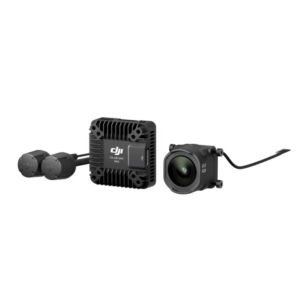
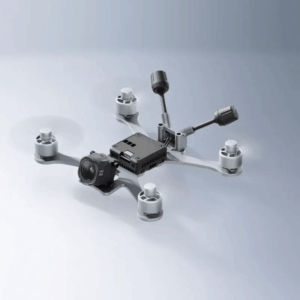
DJI O4 Air Unit Pro delivers 4K/120fps recording, 15ms low-latency digital transmission, 155° ultra-wide FOV, and up to 15km range for professional FPV builds.
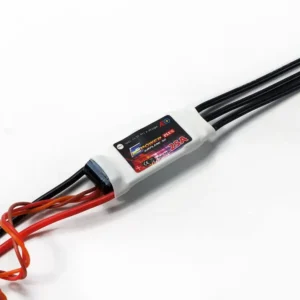
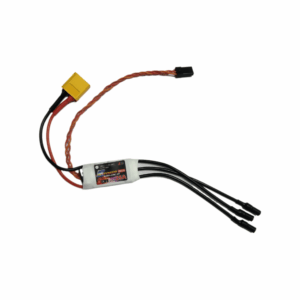
E-Power Plus 25A ESC Controller for high RPM brushless motors. Supports 2–4S LiPo, smooth throttle response, and compact design for FPV drones and EDF aircraft.
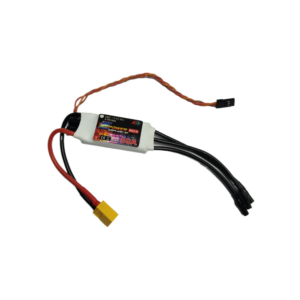
E-Power Plus 50A ESC for high RPM motors. Smooth throttle response, strong current handling, and reliable performance for drones and EDF aircraft.

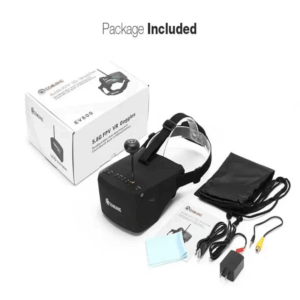
Eachine EV800 FPV goggles feature a 5-inch 800×480 display with a built-in 5.8GHz 40CH receiver for immersive FPV flying. Designed for beginners and experienced pilots, these goggles offer clear video, easy setup, and a detachable screen for flexible use.
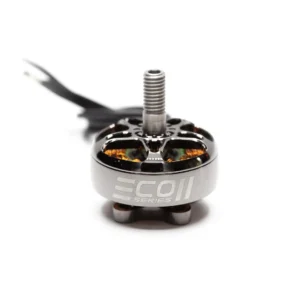
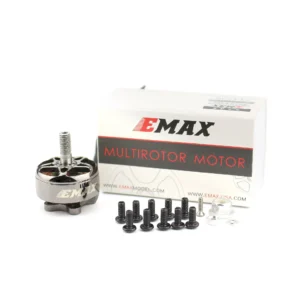
Emax ECO II motor 2207 1700KV brushless FPV motor designed for 3–6S setups, delivering smooth throttle response, high efficiency, and durable performance.
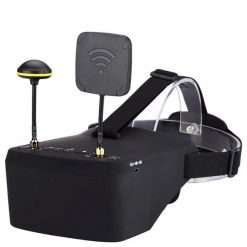
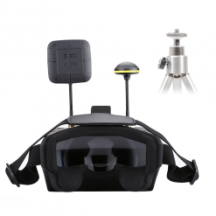
EV800D FPV Goggles offer stable 5.8GHz diversity reception with built-in DVR recording. Featuring a detachable 5-inch display and dual antennas, they are ideal for FPV racing, freestyle, and training flights.

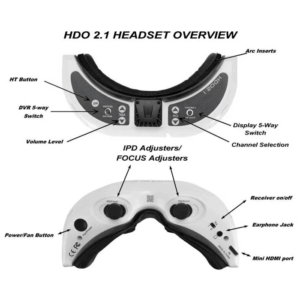
HDO 2.1 FPV Goggles deliver a premium FPV experience with dual OLED displays, wide field of view, and adjustable optics. Designed for professional pilots, these goggles offer sharp visuals, reliable DVR recording, and customizable fit for immersive drone flying.
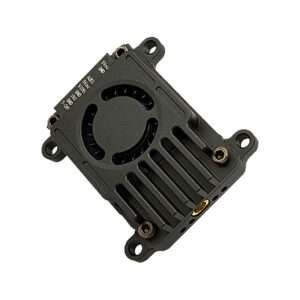
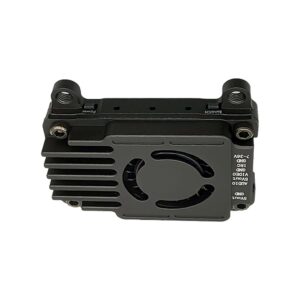
The FLYTO VTX-F2-72 is a 3W high-power FPV video transmitter for long-range drones. Features 4.9-6.1GHz tunable frequency, active cooling, and flight stack mounting. The ultimate video link for professionals.
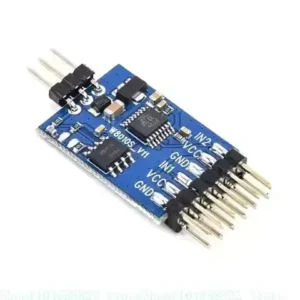
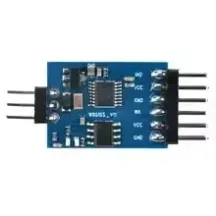
FPV 3-channel video switcher module that allows real-time switching between multiple camera feeds using a transmitter switch.
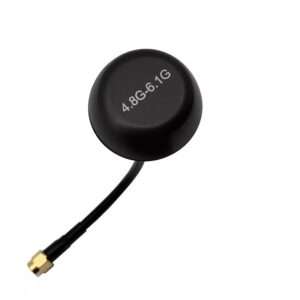
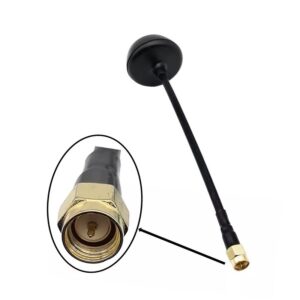
High-gain FPV mushroom antenna with 4.8–6.1GHz wideband support, designed for reliable 5.8G FPV video transmission on drones and ground stations.
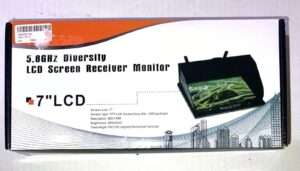
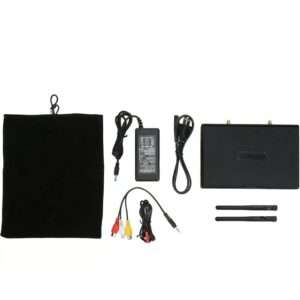
7-inch FPV Receiver Monitor with 5.8GHz 40 channels, dual diversity receiver, auto scan, built-in battery, and clear LCD display for FPV drones.
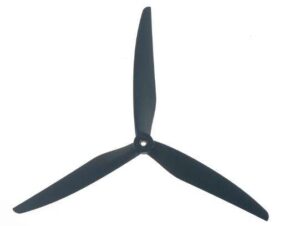
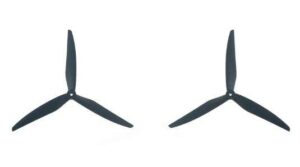
Gemfan 1050 cinelifter propeller is designed for heavy-lift FPV drones, offering powerful thrust, smooth control, and stable flight performance. Made from durable glass fiber nylon, these 3-blade propellers are ideal for cinematic drones and professional aerial applications.

Specification: Material:PC Weight:4.96g Pitch:4.2in Prop Diameter:128.8mm Center Thickness:7mm Center Hole Dia:5mm pop Adaptive Motor:2205~2306 Colors: Clear, Clear Blue, Clear Purple, Whisky, Clear Yellow, Clear Red Package Includes: 2CW + 2CCW props
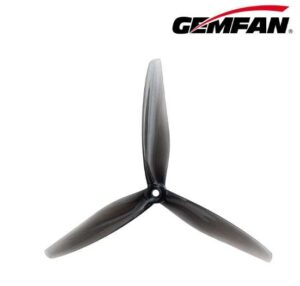
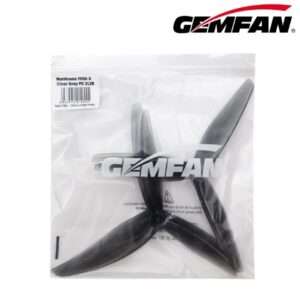
Description:- Gemfan Hurricane 7050-3 Inch: 7in Pitch:5in Weight:8.9g Mount:5mm Colors: Clear Gray, Clear Green Recommended Motor:2806.5 2808 Prop Disk Diameter: 178.4mm Center Thickness: 7mm Max Prop Width : 18.5mm Materials:PC


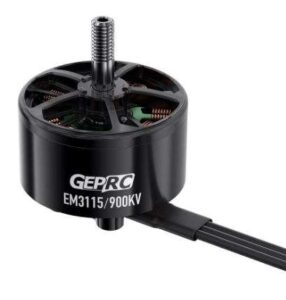
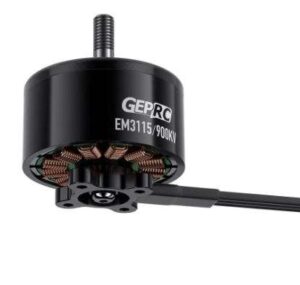
GEPRC EM3115 900KV Motor is engineered for long-range FPV drones using 8–10 inch propellers. It features a high-torque magnetic circuit, durable M5 steel shaft, N52H magnets, and smooth NSK/NMB bearings for efficient and stable flight performance.
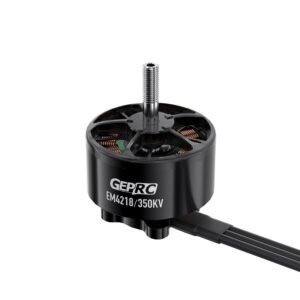
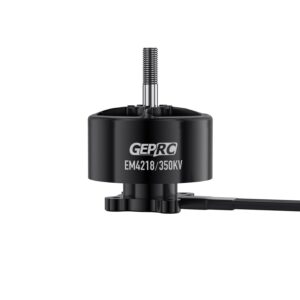
Powerful GEPRC EM4218 motor 350KV designed for 13–15 inch long-range FPV drones, offering high torque, smooth efficiency, and reliable 8S performance.
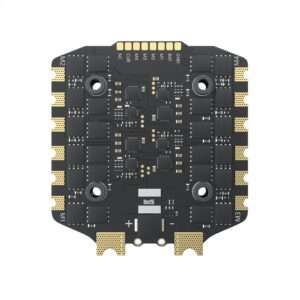
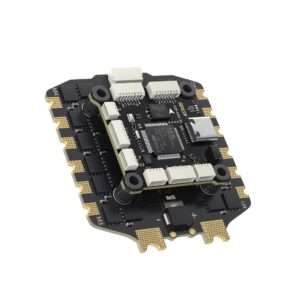
GEPRC F405 8S stack featuring STM32F405 flight controller and 100A BLS 4-in-1 ESC, designed for high-power FPV drones with DJI Air Unit support.
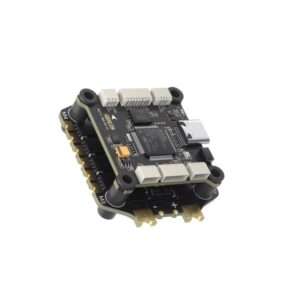
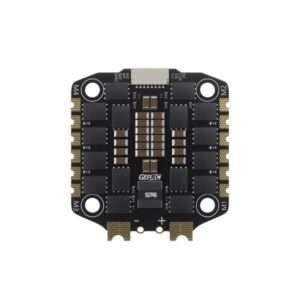
GEPRC F405 stack combining a powerful flight controller and 60A 4-in-1 ESC, designed for high-performance 6S FPV racing, freestyle, and digital builds.
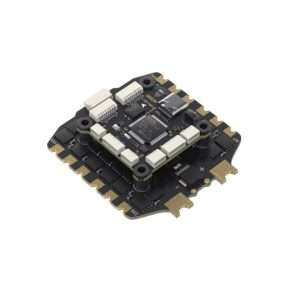
The GEPRC TAKER F405 BLS 80A V2 Stack is a powerful FPV drone stack featuring an STM32F405 flight controller and an 80A 4-in-1 ESC, designed for high-current, smooth, and reliable performance in 3–6S FPV builds with DJI Air Unit compatibility.
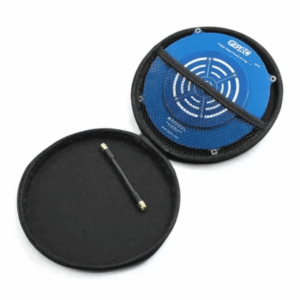
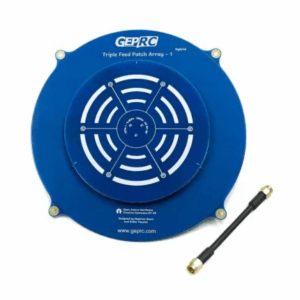
High-gain 14.4dBi directional 5.8GHz antenna with narrow 30° beamwidth, low side lobes, and SMA connector, designed for long-range FPV applications.
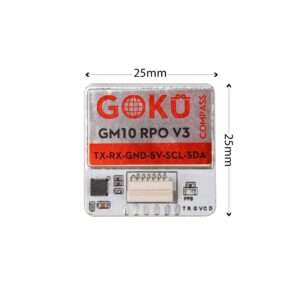
High-precision GOKU GM10 Pro V3 GPS module with integrated compass for FPV drones, supporting fast lock and reliable navigation modes.
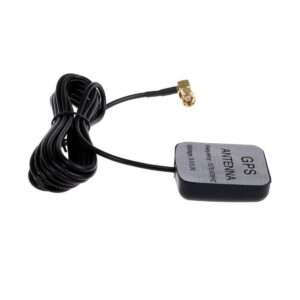
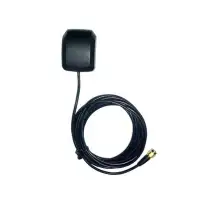
High-performance GPS L1 active antenna (1575.42 MHz) with wide 3V–5V voltage support for drones, UAVs, and aviation navigation systems.
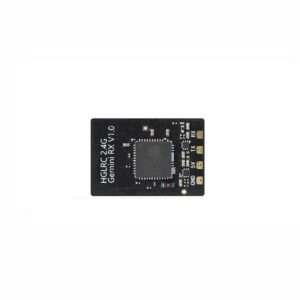
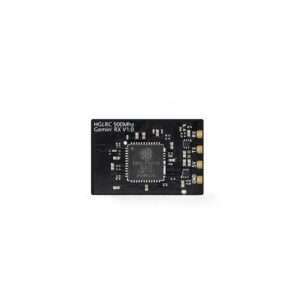
HGLRC ELRS Gemini RX 2.4G is a high-performance ExpressLRS dual receiver designed for long-range FPV drones and freestyle builds. Featuring true diversity with dual antennas and low latency communication, it ensures stable signal transmission, fast response, and reliable control in demanding flight conditions.
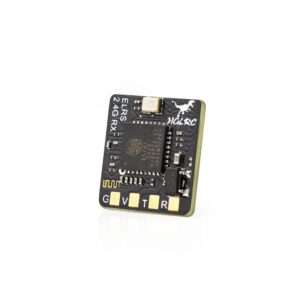
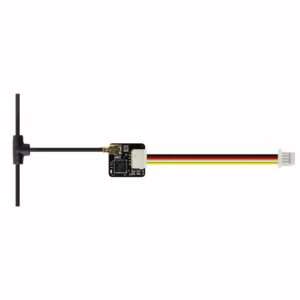
The ELRS 2.4G Receiver is a small device used in remote control toys like drones. It operates on a common frequency and provides strong, quick connections. It works well for FPV drones, allowing for extra features like telemetry, which provides information back to the controller for better control and monitoring. Features: 2.4GHz receiver for…
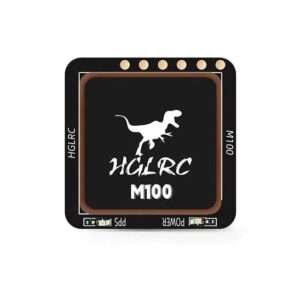
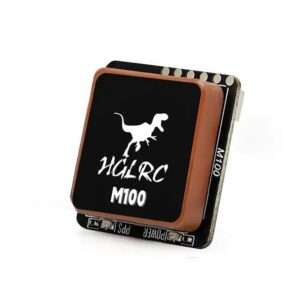
HGLRC M100 GPS module with M10 chip and compass for FPV and RC airplanes, delivering fast satellite lock, high sensitivity, and reliable long-range navigation.
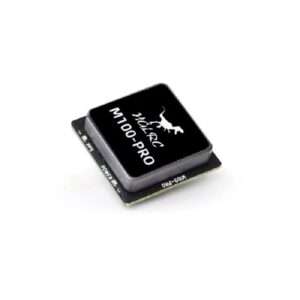
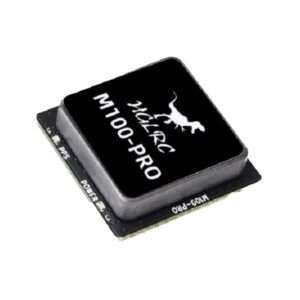
The HGLRC M100 PRO GPS is a compact and high-precision GPS module designed for drone applications. It utilizes a u-blox M10 chip, offering fast and accurate positioning with support for multiple satellite constellations, including GPS, GLONASS, Galileo, and BeiDou. This multi-constellation capability enhances signal reliability and accuracy, even in challenging environments. The module is known…
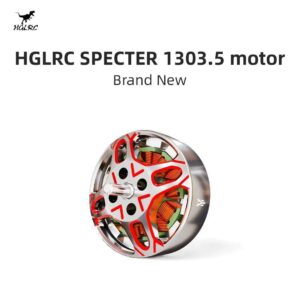
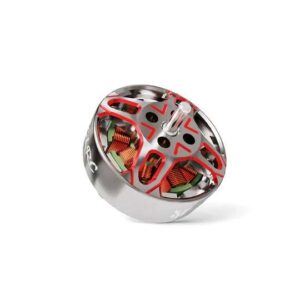
HGLRC SPECTER 1303.5 5500KV motor is a high-performance brushless motor designed for tinywhoop and toothpick FPV drones. It delivers smooth throttle response, strong torque, and efficient power output, making it ideal for freestyle and racing builds on 2–4S LiPo setups.
FPV (First Person View) flying gives pilots a live view from the drone, making the experience more immersive and responsive. Building an FPV drone involves bringing together several components that work together for flight control, video transmission, power, and communication. At Mall of Aviation, the FPV category brings these components together for hobbyists, racers, builders, and drone enthusiasts.
Our FPV collection includes FPV cameras, goggles, video transmitters (VTX), receivers, RC transmitters, motors, propellers, ESCs, flight stacks, GPS modules, carbon fiber frames, FPV modules, and other components. You can choose individual parts or explore different components based on the requirements of your build.
An FPV camera captures the view from the drone and sends the video signal to the FPV video system. The pilot can then view the live feed through compatible FPV goggles or a display system.
The camera and goggles are an important part of the FPV experience because they allow the pilot to see what the drone sees while flying. When choosing these components, consider compatibility with the video transmission system, resolution, latency, mounting requirements, and the type of FPV setup you are building.
A video transmitter (VTX) sends the video feed from the FPV camera to the receiving equipment used by the pilot. VTX options can differ in transmission power, video system, size, and other specifications.
FPV modules can also be used as part of the communication and video setup depending on the type of drone and equipment being used. Always check compatibility between the camera, VTX, receiver, and goggles before purchasing components for an FPV build.
The propulsion system is one of the most important parts of an FPV drone. Motors, propellers, and electronic speed controllers (ESCs) work together to produce and control the thrust required for flight.
Motor selection depends on factors such as drone size, motor specifications, battery voltage, propeller size, and the intended flying style. Propellers also come in different sizes, pitches, and configurations, so they should be selected according to the motor and overall build.
An ESC controls the electrical power delivered to the motor and allows the flight control system to adjust motor speed. Matching the ESC with the motor and power system is important when assembling an FPV drone.
An FPV stack typically combines important electronics such as a flight controller and ESC in a compact arrangement. These components work together to process flight information and control the drone's motors.
When selecting a stack, check factors such as mounting dimensions, processor, ESC ratings, firmware support, battery voltage compatibility, and available connections. The right combination can make installation easier and help keep the electronics organized inside the frame.
The radio control system allows the pilot to send commands to the drone. The transmitter is operated by the pilot, while the compatible receiver is installed on the drone to receive those commands.
Different radio systems use different communication protocols and frequencies, so compatibility between the transmitter and receiver is an important consideration. Check the specifications of both components before choosing them for an FPV build.
The frame provides the physical structure of an FPV drone and holds components such as the motors, flight stack, camera, battery, and other electronics. Carbon fiber frames are widely used in FPV builds because they provide a combination of low weight and rigidity.
Frame size and design should match the motors, propellers, electronics, and intended use of the drone. A suitable frame also provides the necessary mounting points and space for installing the rest of the components.
GPS modules can provide positioning information for compatible flight-control systems and may support features such as navigation and position-related functions, depending on the flight controller and software being used.
Other components in the FPV category can be useful for specific builds, upgrades, experiments, and research projects. The exact requirements will depend on the drone's design, electronics, flight software, and intended application.
Building an FPV drone is not simply about choosing individual components. The parts need to work together as a complete system. Before purchasing, consider important factors such as frame size, motor specifications, propeller size, battery voltage, ESC rating, flight-controller compatibility, radio protocol, video system, and available mounting space.
For example, the motors and propellers should be suitable for the frame and battery, while the ESC should be able to handle the motor's electrical requirements. Similarly, the camera, VTX, goggles, transmitter, and receiver need to be compatible with the chosen FPV system.
Different pilots have different requirements from an FPV drone. A beginner may want a straightforward setup that is easy to assemble and maintain, while an experienced pilot may choose components based on speed, agility, video performance, weight, or long-range capabilities.
Racing, freestyle, long-range, cinematic, and experimental builds can all require different combinations of components. Selecting parts according to the intended use helps create a more balanced and practical FPV system.
Whether you are assembling an FPV drone from individual parts, replacing a damaged component, or upgrading an existing setup, choosing compatible components is an important part of the process.
Explore the FPV category at Mall of Aviation to find components for different stages of an FPV build, from frames and propulsion systems to video equipment, radio components, flight electronics, and other accessories.
FPV stands for First Person View. In FPV flying, a camera mounted on the drone provides a live video feed that allows the pilot to view the flight from the drone's perspective.
A typical FPV build can include a frame, motors, propellers, ESCs, flight controller or stack, FPV camera, VTX, receiver, radio transmitter, battery, and other required accessories. The exact components depend on the type of drone being built.
A VTX, or video transmitter, sends the video signal from the FPV camera to the compatible receiving equipment, such as FPV goggles or a display.
An FPV receiver receives control signals from the pilot's radio transmitter and passes the appropriate commands to the drone's control system. The transmitter and receiver must use a compatible communication system.
An electronic speed controller (ESC) controls the power delivered to the drone motor. It allows the flight-control system to adjust motor speed according to the pilot's commands and stabilization requirements.
An FPV stack is a compact combination of electronic boards, commonly including a flight controller and ESC. The boards are designed to work together and are typically mounted one above another inside the drone frame.
Carbon fiber is commonly used for FPV frames because it offers a useful combination of low weight and rigidity. The exact frame material and design should be selected according to the drone's size and intended use.
Motor selection depends on the drone's frame size, propeller dimensions, battery voltage, motor specifications, and intended flying style. The motor should be matched with the propeller, ESC, and overall power system.
Propellers should be selected according to factors such as size, pitch, number of blades, motor specifications, frame size, and battery setup. Using a suitable propeller helps create a balanced propulsion system.
Yes. Components such as cameras, VTX systems, goggles, motors, propellers, receivers, flight stacks, and other parts can potentially be upgraded. Before replacing a component, check its physical, electrical, and software compatibility with the existing setup.
Beginners should first identify the type and size of FPV drone they want to build. They should then check compatibility between the frame, motors, propellers, ESC, flight controller, battery, radio system, and video system before purchasing individual components.
Explore FPV components at Mall of Aviation to find the parts and electronics you need to build, maintain, repair, or upgrade your FPV drone setup.
Don't have an account yet? Sign up
No items in your cart. Go on, fill it up with something you love!
Start Shopping Now