FPV Drone Parts and Components for Custom Builds
FPV (First Person View) flying gives pilots a live view from the drone, making the experience more immersive and responsive. Building an FPV drone involves bringing together several components that work together for flight control, video transmission, power, and communication. At Mall of Aviation, the FPV category brings these components together for hobbyists, racers, builders, and drone enthusiasts.
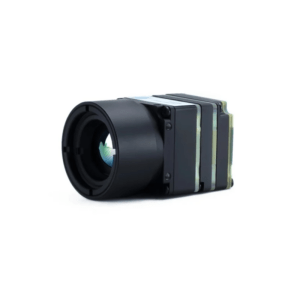
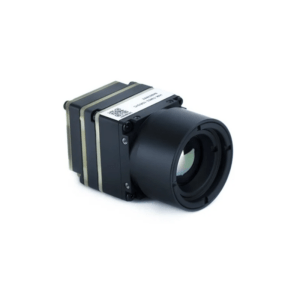
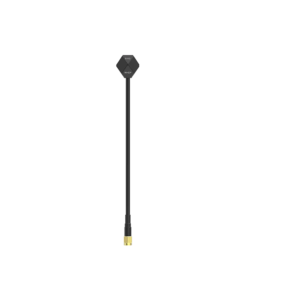
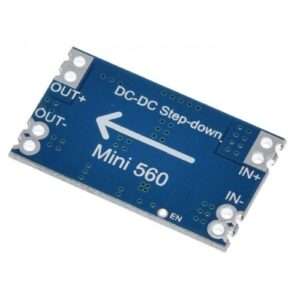
Our FPV collection includes FPV cameras, goggles, video transmitters (VTX), receivers, RC transmitters, motors, propellers, ESCs, flight stacks, GPS modules, carbon fiber frames, FPV modules, and other components. You can choose individual parts or explore different components based on the requirements of your build.
FPV Cameras and Goggles
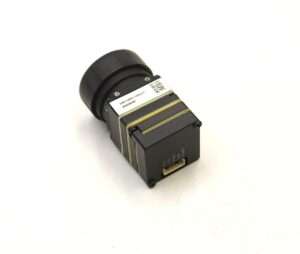
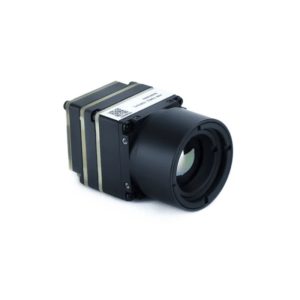
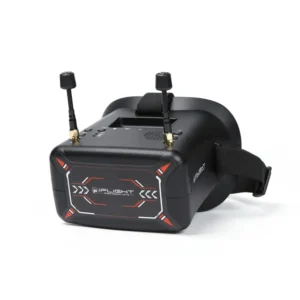
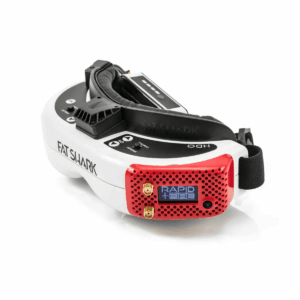
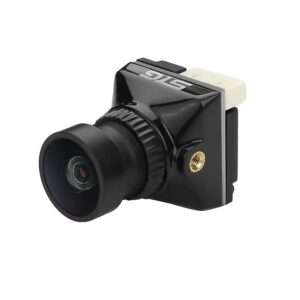
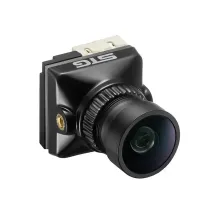
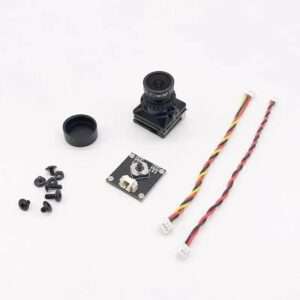
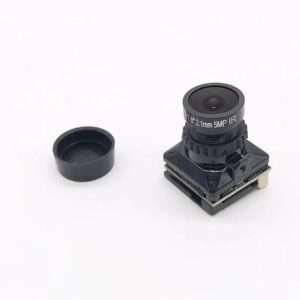
An FPV camera captures the view from the drone and sends the video signal to the FPV video system. The pilot can then view the live feed through compatible FPV goggles or a display system.
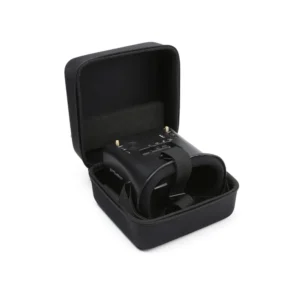
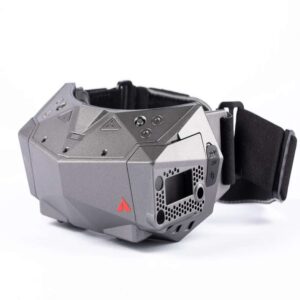
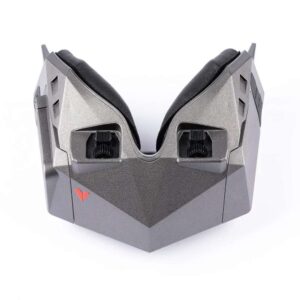
The camera and goggles are an important part of the FPV experience because they allow the pilot to see what the drone sees while flying. When choosing these components, consider compatibility with the video transmission system, resolution, latency, mounting requirements, and the type of FPV setup you are building.
VTX and FPV Video Modules
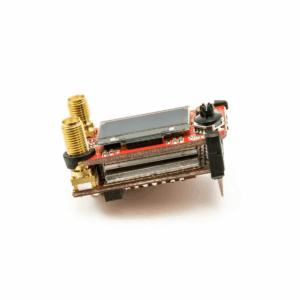
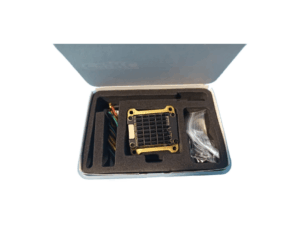
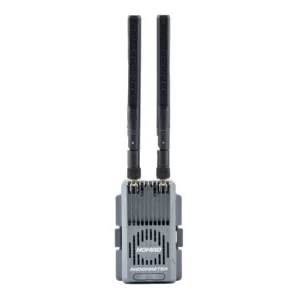
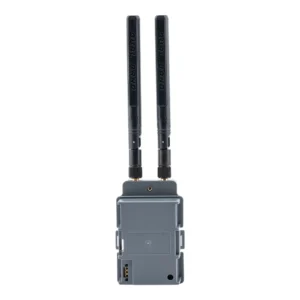
A video transmitter (VTX) sends the video feed from the FPV camera to the receiving equipment used by the pilot. VTX options can differ in transmission power, video system, size, and other specifications.
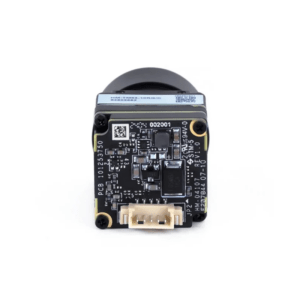
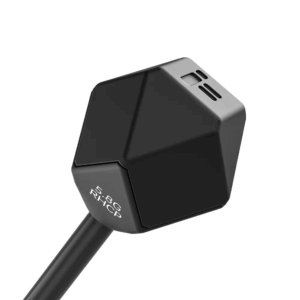
FPV modules can also be used as part of the communication and video setup depending on the type of drone and equipment being used. Always check compatibility between the camera, VTX, receiver, and goggles before purchasing components for an FPV build.
FPV Motors, Propellers, and ESCs
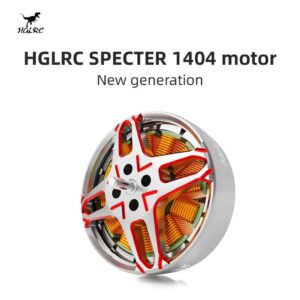
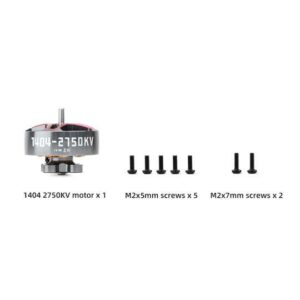
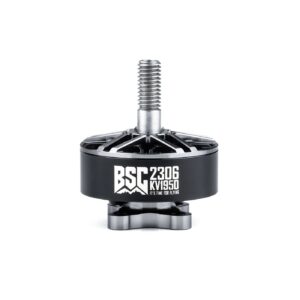
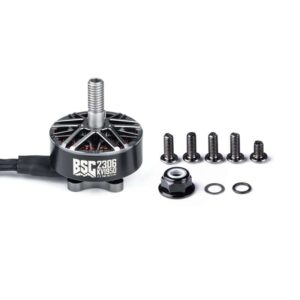
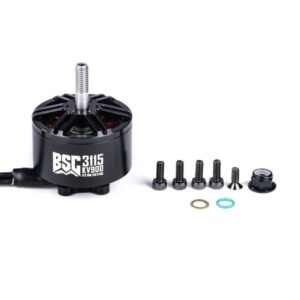
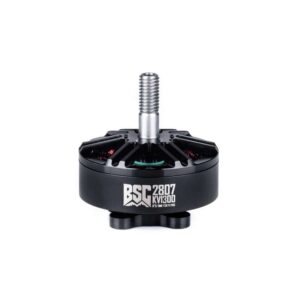
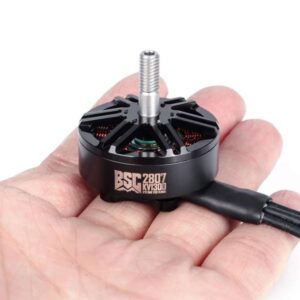
The propulsion system is one of the most important parts of an FPV drone. Motors, propellers, and electronic speed controllers (ESCs) work together to produce and control the thrust required for flight.
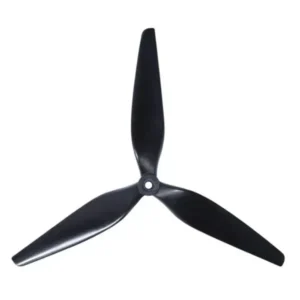
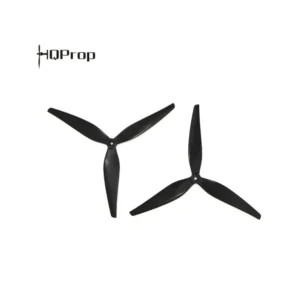
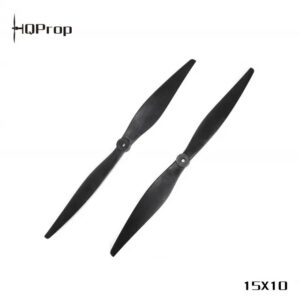
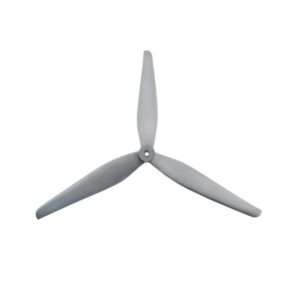
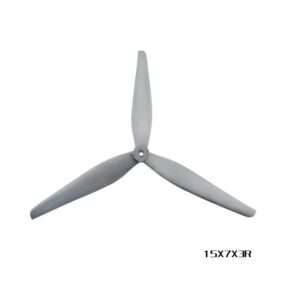
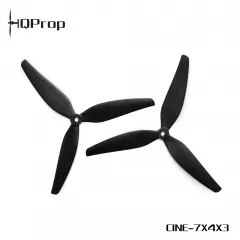
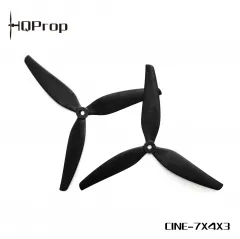
Motor selection depends on factors such as drone size, motor specifications, battery voltage, propeller size, and the intended flying style. Propellers also come in different sizes, pitches, and configurations, so they should be selected according to the motor and overall build.
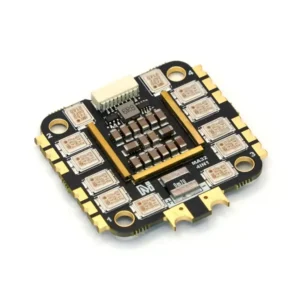
An ESC controls the electrical power delivered to the motor and allows the flight control system to adjust motor speed. Matching the ESC with the motor and power system is important when assembling an FPV drone.
FPV Flight Stacks and Electronic Components
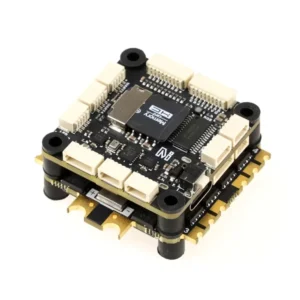
An FPV stack typically combines important electronics such as a flight controller and ESC in a compact arrangement. These components work together to process flight information and control the drone's motors.
When selecting a stack, check factors such as mounting dimensions, processor, ESC ratings, firmware support, battery voltage compatibility, and available connections. The right combination can make installation easier and help keep the electronics organized inside the frame.
FPV Receivers and RC Transmitters
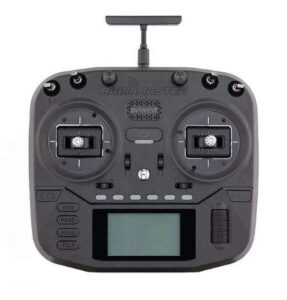
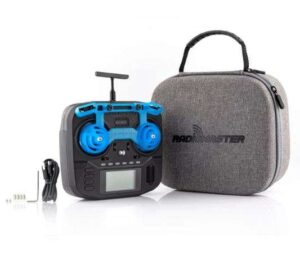
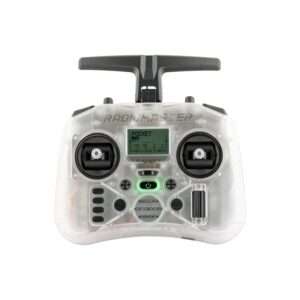
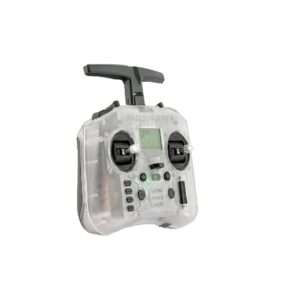
The radio control system allows the pilot to send commands to the drone. The transmitter is operated by the pilot, while the compatible receiver is installed on the drone to receive those commands.
Different radio systems use different communication protocols and frequencies, so compatibility between the transmitter and receiver is an important consideration. Check the specifications of both components before choosing them for an FPV build.
FPV Frames and Carbon Fiber Components
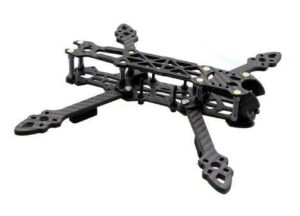
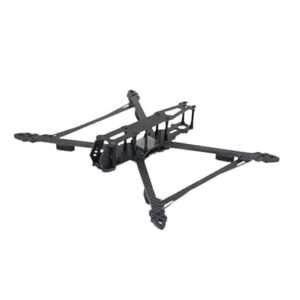
The frame provides the physical structure of an FPV drone and holds components such as the motors, flight stack, camera, battery, and other electronics. Carbon fiber frames are widely used in FPV builds because they provide a combination of low weight and rigidity.
Frame size and design should match the motors, propellers, electronics, and intended use of the drone. A suitable frame also provides the necessary mounting points and space for installing the rest of the components.
GPS and Other FPV Components
GPS modules can provide positioning information for compatible flight-control systems and may support features such as navigation and position-related functions, depending on the flight controller and software being used.
Other components in the FPV category can be useful for specific builds, upgrades, experiments, and research projects. The exact requirements will depend on the drone's design, electronics, flight software, and intended application.
How to Choose FPV Components
Building an FPV drone is not simply about choosing individual components. The parts need to work together as a complete system. Before purchasing, consider important factors such as frame size, motor specifications, propeller size, battery voltage, ESC rating, flight-controller compatibility, radio protocol, video system, and available mounting space.
For example, the motors and propellers should be suitable for the frame and battery, while the ESC should be able to handle the motor's electrical requirements. Similarly, the camera, VTX, goggles, transmitter, and receiver need to be compatible with the chosen FPV system.
FPV Components for Different Types of Builds
Different pilots have different requirements from an FPV drone. A beginner may want a straightforward setup that is easy to assemble and maintain, while an experienced pilot may choose components based on speed, agility, video performance, weight, or long-range capabilities.
Racing, freestyle, long-range, cinematic, and experimental builds can all require different combinations of components. Selecting parts according to the intended use helps create a more balanced and practical FPV system.
Build and Upgrade Your FPV Drone
Whether you are assembling an FPV drone from individual parts, replacing a damaged component, or upgrading an existing setup, choosing compatible components is an important part of the process.
Explore the FPV category at Mall of Aviation to find components for different stages of an FPV build, from frames and propulsion systems to video equipment, radio components, flight electronics, and other accessories.
Frequently Asked Questions (FAQ)
What does FPV mean?
FPV stands for First Person View. In FPV flying, a camera mounted on the drone provides a live video feed that allows the pilot to view the flight from the drone's perspective.
What parts are needed to build an FPV drone?
A typical FPV build can include a frame, motors, propellers, ESCs, flight controller or stack, FPV camera, VTX, receiver, radio transmitter, battery, and other required accessories. The exact components depend on the type of drone being built.
What is an FPV VTX?
A VTX, or video transmitter, sends the video signal from the FPV camera to the compatible receiving equipment, such as FPV goggles or a display.
What is an FPV receiver?
An FPV receiver receives control signals from the pilot's radio transmitter and passes the appropriate commands to the drone's control system. The transmitter and receiver must use a compatible communication system.
What does an ESC do in an FPV drone?
An electronic speed controller (ESC) controls the power delivered to the drone motor. It allows the flight-control system to adjust motor speed according to the pilot's commands and stabilization requirements.
What are FPV flight stacks?
An FPV stack is a compact combination of electronic boards, commonly including a flight controller and ESC. The boards are designed to work together and are typically mounted one above another inside the drone frame.
Why are carbon fiber frames used for FPV drones?
Carbon fiber is commonly used for FPV frames because it offers a useful combination of low weight and rigidity. The exact frame material and design should be selected according to the drone's size and intended use.
How do I choose FPV motors?
Motor selection depends on the drone's frame size, propeller dimensions, battery voltage, motor specifications, and intended flying style. The motor should be matched with the propeller, ESC, and overall power system.
How do I choose FPV propellers?
Propellers should be selected according to factors such as size, pitch, number of blades, motor specifications, frame size, and battery setup. Using a suitable propeller helps create a balanced propulsion system.
Can I upgrade an existing FPV drone?
Yes. Components such as cameras, VTX systems, goggles, motors, propellers, receivers, flight stacks, and other parts can potentially be upgraded. Before replacing a component, check its physical, electrical, and software compatibility with the existing setup.
What should beginners check before buying FPV parts?
Beginners should first identify the type and size of FPV drone they want to build. They should then check compatibility between the frame, motors, propellers, ESC, flight controller, battery, radio system, and video system before purchasing individual components.
Explore FPV components at Mall of Aviation to find the parts and electronics you need to build, maintain, repair, or upgrade your FPV drone setup.