
AKK Alpha 10 5.8GHz 10W 80CH VTX
₹17,056AKK Alpha 10 5.8GHz 80CH VTX features up to 10W switchable output, Smart Audio support, built-in cooling fan, LED display, and stable long-range transmission performance.
VTX (video transmitters) are essential components in FPV drone systems. They send live video from the onboard camera to FPV goggles or receivers. At Mall of Aviation, this category focuses on reliable video transmission solutions built for clear visuals and stable signals.
These products support common FPV frequencies such as 5.8GHz. They work well with most FPV cameras, antennas, and flight controllers. Pilots use them for racing drones, freestyle builds, and long-range platforms where low latency matters.
Each product in this category comes from verified manufacturers. Designers focus on consistent output, heat control, and resistance to interference. This ensures dependable performance during flight.
From beginners to experienced pilots, this category offers trusted solutions for confident flying. Choose the right VTX based on your drone build and flying needs.
Showing all 11 results


AKK Alpha 10 5.8GHz 80CH VTX features up to 10W switchable output, Smart Audio support, built-in cooling fan, LED display, and stable long-range transmission performance.


ATOM 3W VTX delivers powerful 3W analog video transmission for long-range FPV drones. Low latency, SMA antenna support, and metal heat-dissipating housing.


Atom Drones 3W VTX – 88CH 4.9–6.1GHz High Power Video Transmitter The Atom Drones 4.9-6.1GHz 3W VTX is a high-power FPV video transmitter designed for long-range drone applications. Because it delivers up to 3000mW output power across 88 channels, the Atom Drones 4.9-6.1GHz 3W VTX ensures stable, interference-resistant video transmission. As a result, pilots experience…
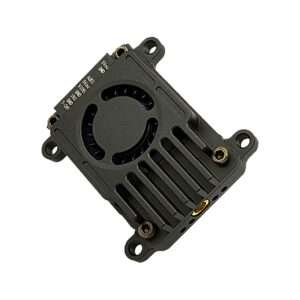
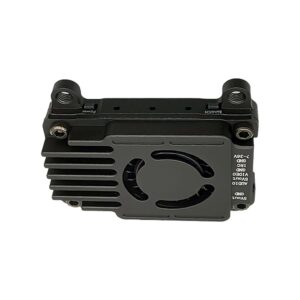
The FLYTO VTX-F2-72 is a 3W high-power FPV video transmitter for long-range drones. Features 4.9-6.1GHz tunable frequency, active cooling, and flight stack mounting. The ultimate video link for professionals.
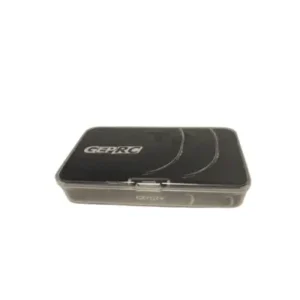
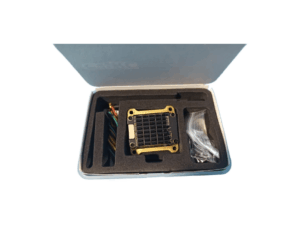
MATEN 5.8G VTX is a powerful 3W FPV video transmitter designed for long-range drone flights, freestyle, and racing applications. It delivers strong signal output, stable video transmission, and smart audio control, making it ideal for pilots who need reliable and high-performance FPV connectivity.


High-power 5.8GHz 5W analog FPV transmitter with 48 channels, adjustable output levels, built-in microphone, and wide 7–36V voltage support for long-range drones.


High-performance FPV video transmitter with 25mW/200mW output, SmartAudio V2 control, PitMode racing support, and CleanSwitch interference protection.


TBS Unify Pro32 DP (MMCX) is an ultra-light 3W FPV video transmitter with SmartAudio 2.1, 2–6S support, wideband 5.8GHz range, and advanced heat management without external heatsink.


Ultra-light 1g nano FPV video transmitter with up to 500mW power, SmartAudio V2.1, CRSF support, PitMode, CleanSwitch and barcode channel configuration.


Ultra 1600 5.8GHz 1.6W VTX delivers up to 1600mW power output, 64CH support, IRC Tramp control, built-in microphone, and wide 7–36V input for long-range FPV drones.


ULTRA 2500 VTX 2.5W adjustable FPV transmitter supports 4.9G-5.8G bands, 64 channels, IRC Tramp protocol, and up to 2500mW output for long-range drone builds.
An FPV video transmitter (VTX) sends live video from your drone's camera to compatible FPV goggles or a receiver. Choosing the right VTX depends on your camera, video system, flight controller, antenna, battery setup, and intended flying style.
At Mall of Aviation, explore video transmitters for compatible FPV racing, freestyle, and long-range drone builds. Check each product's specifications carefully to ensure it suits your particular setup.
Analog and digital VTX units use different video transmission technologies. Analog transmitters work with compatible analog cameras and receivers, while digital systems require compatible digital cameras, air units, or video equipment.
These systems are not automatically interchangeable. Before purchasing, confirm that your VTX, camera, receiver or goggles, and antennas are compatible with one another.
FPV video transmitters are available with different output power ratings. The appropriate option depends on your equipment, antenna setup, flying environment, and applicable regulations. Higher output power does not automatically guarantee better video reception because antenna placement, interference, receiver performance, and other factors also matter.
Always follow the product manufacturer's instructions and applicable local requirements when configuring transmission power.
A VTX is a video transmitter that sends the camera's video feed to a compatible receiver or FPV viewing system. It is one component of the drone's overall video system.
No. Compatibility depends on the video technology, signal format, connectors, and supported specifications. Check the camera and transmitter documentation before connecting them.
An analog VTX transmits analog video to compatible analog receiving equipment. A digital video system uses compatible digital transmission equipment. The camera, transmitter, and receiving device must support the same system.
Output power describes the transmitter's radio-frequency transmission power, commonly expressed in milliwatts (mW). The suitable setting depends on the equipment, operating environment, and applicable regulations.
Not necessarily. Matching the frequency band alone does not guarantee compatibility. Confirm that the goggles or receiver support the VTX's video technology, frequency, and channel requirements.
Most radio-frequency VTX units require a suitable antenna connected as specified by the manufacturer. Follow the product instructions and avoid powering a transmitter without the required antenna or approved load.
Start by checking your camera and goggles or receiver, then compare supported video technology, frequency, output power, voltage, antenna connector, mounting options, and flight controller compatibility.
Some VTX models support multiple output power settings, while others have fixed or limited settings. Use only the configurations supported by the manufacturer and permitted under applicable regulations.
Interference can result from antenna problems, incorrect channel selection, nearby transmitters, wiring or installation issues, or limitations of the receiving system. Check the manufacturer's troubleshooting guidance and inspect the complete video setup.
Prices vary by brand, transmission technology, supported power, and features. Check the individual product listings above for current prices and availability.
Browse the FPV VTX products at Mall of Aviation to compare available video transmitters and their specifications. If you need help choosing a compatible unit, share your camera, goggles or receiver model, battery setup, and intended use before purchasing.
```Don't have an account yet? Sign up
No items in your cart. Go on, fill it up with something you love!
Start Shopping Now