
40.52.9.012.0000-FINDER-40.52.9.012.0000-Power Relay, DPDT, 12 VDC, 8 A, 40, Through Hole, Non Latching
₹396DPDT relay suitable for 12VDC applications.
Relays at Mall of Aviation are useful for switching and controlling electrical circuits in electronics, automation, robotics, and custom drone projects. Our collection includes Finder relays and microcontroller-compatible relay modules with different voltage and current ratings. Whether you are building a DIY electronics project, experimenting with automation, or developing a custom UAV system, the right relay can help you control connected electrical loads safely and conveniently.
Showing all 3 results
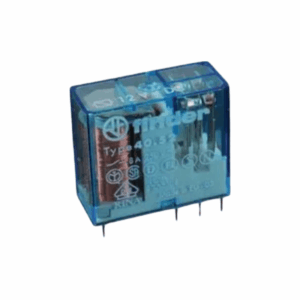
DPDT relay suitable for 12VDC applications.
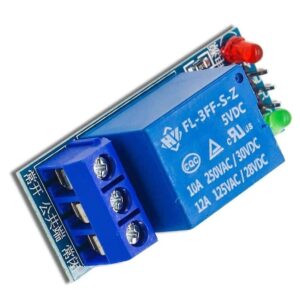
Single channel 5V relay module.

A relay is an electrically operated switch that allows one circuit to control another. Relays are commonly used when a low-power control signal needs to switch a separate electrical load. They can be useful in automation systems, robotics, electronics projects, and custom hardware development.
The Relays category at Mall of Aviation includes relay components and microcontroller-compatible relay modules for different electronics and control applications. Our collection includes products such as Finder relays and 5V single-channel relay modules, giving builders options for different project requirements.
Microcontroller-compatible relay modules make it easier to control external electrical loads from development boards and control circuits. A 5V relay module, for example, can be used with compatible microcontrollers and development boards when the project requires an electrically controlled switching function.
These modules can be useful in Arduino, ESP32, Raspberry Pi, robotics, automation, and DIY electronics projects. Before connecting a relay module, always check the required operating voltage, trigger configuration, contact ratings, and compatibility with your controller.
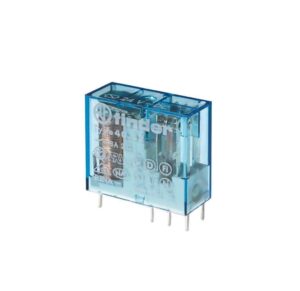
Finder relays are available in different configurations and electrical ratings for switching applications. Depending on the specific model, features such as contact type, coil voltage, switching current, and mounting style can vary.
When selecting a relay, it is important to match the relay specifications with the circuit and load you intend to control. Checking the manufacturer's specifications before installation helps ensure that the relay is suitable for the intended application.
Relays can have a place in certain custom drone and UAV electronics projects where an electrical switching function is required. They may be used as part of an experimental control system, auxiliary circuit, payload-related setup, or other custom electronics application.
However, relays are not a replacement for dedicated drone components such as flight controllers or electronic speed controllers. Their usefulness depends on the design of the particular UAV system and the electrical load being controlled.
Relays are widely used in robotics and automation because they provide a simple way to switch electrical devices using a control signal. They can be used in prototypes, educational projects, automated systems, and custom electronic equipment.
For example, a microcontroller can provide the control signal while the relay handles the switching of a compatible external circuit. This makes relay modules useful when developing projects that combine software-controlled electronics with physical devices.
The correct relay depends on the electrical and mechanical requirements of your project. Before choosing a relay, check important specifications such as coil or operating voltage, contact configuration, maximum switching current, maximum switching voltage, load type, and mounting requirements.
If you are using a relay module with a microcontroller, also check the module's trigger voltage, input configuration, and compatibility with your development board. Choosing a relay based on the actual electrical requirements of the project can help prevent compatibility problems and unreliable operation.
Relays and relay modules can be used in a variety of projects, including:
Not every relay is suitable for every electrical load. Using a relay outside its rated voltage or current range can lead to unreliable operation or damage to the component. The type of load being switched also matters, particularly when dealing with motors or other loads that can have higher starting or transient currents.
Always check the product specifications and make sure the relay is suitable for the intended circuit before connecting it. For projects involving mains electricity or higher-power circuits, appropriate electrical safety practices should also be followed.
A relay is an electrically operated switch that allows one circuit to control another circuit. It is commonly used for switching electrical loads using a separate control signal.
A relay module is a relay combined with supporting electronic circuitry that makes it easier to connect and control the relay from a compatible controller or microcontroller.
Yes, compatible relay modules can be controlled by Arduino boards. However, you should check the module's operating voltage, trigger requirements, and input compatibility before connecting it.
Some relay modules can be used with ESP32-based projects, but compatibility depends on the module's input requirements and trigger voltage. Always check the specific relay module specifications before connecting it.
Finder relays are used for electrical switching and control applications. The exact application depends on the relay model, including its coil voltage, contact configuration, and switching ratings.
Yes, relays can be used in certain custom drone and UAV electronics projects where an electrical switching function is required. They are application-specific components and are not substitutes for dedicated flight-control or motor-control hardware.
Check the coil or operating voltage, contact configuration, maximum switching voltage and current, load type, mounting style, and compatibility with the control circuit. For relay modules, also check the required input or trigger voltage.
Yes. Relays can be useful in robotics for switching external electrical devices or circuits using a control signal from a microcontroller or other control system.
Explore the Relays category at Mall of Aviation for relay components and modules suitable for electronics, automation, robotics, embedded projects, and custom drone or UAV applications.
Don't have an account yet? Sign up
No items in your cart. Go on, fill it up with something you love!
Start Shopping Now