How to Fly FPV Drones in Winter
FPV Drone Guides & Tutorials
Quick Summary: Learning how to fly FPV drones in winter can be challenging due to cold temperatures affecting batteries, electronics, and pilot control. This guide shares simple tricks to fly FPV drones in winter safely, stay warm, and keep your drone performing at its best even in freezing conditions.
How to Fly FPV Drones in Winter: Essential Tips for Safe Cold-Weather Flying
Winter FPV flying is a completely different experience. The crisp cold air, snowy landscapes, and empty flying spots make it incredibly fun — but also challenging. Learning how to fly FPV drones in winter requires special preparation and knowledge. Low temperatures affect battery performance, flight time, signal reliability, and your hand control. In this complete guide by Mall of Aviation, you will learn how to overcome winter challenges and enjoy smooth FPV flights even in freezing conditions. Whether you are a beginner or an experienced pilot, these winter flying tips will help you fly FPV drones in winter with confidence and safety.
Figure 1: Learning how to fly FPV drones in winter starts with proper preparation and understanding cold weather challenges.
In This Guide
- Battery Performance in Cold Weather
- How to Keep Batteries Warm When You Fly FPV Drones in Winter
- Keep Your Hands Warm for Better Control
- Flying FPV from Inside Your Car
- Fix Goggle Fogging When You Fly FPV Drones in Winter
- Flying at Night in Winter
- Cold Damage Risks to Know Before You Fly FPV Drones in Winter
- Waterproofing and Safety Tips
- Pro Tips for Winter FPV Flying
- Frequently Asked Questions
Battery Performance in Cold Weather
Cold weather is the biggest enemy of your FPV batteries. When you fly FPV drones in winter, you will notice significant changes in battery behavior. LiPo batteries used in FPV drones perform best around 30 to 35 degrees Celsius. Below 15 to 18 degrees Celsius, performance drops dramatically. Here is what happens:
- Reduced power output: Your drone feels sluggish and unresponsive.
- Shorter flight time: You may lose 20 to 30 percent of your usual flight duration.
- Increased voltage sag: Low voltage warnings appear much earlier than normal.
- Risk of cell damage: Flying with cold batteries can permanently reduce their lifespan.
Understanding these effects is the first step to successfully learning how to fly FPV drones in winter.
Important Reality: When you fly FPV drones in winter, expect to lose 20 to 30 percent of your normal flight time. Plan your flights accordingly and always bring extra batteries.
How to Keep Batteries Warm When You Fly FPV Drones in Winter
Keeping your batteries warm is the most critical factor for successful winter flying. Here are proven methods to ensure your batteries perform optimally when you fly FPV drones in winter:
- Store batteries in your pocket: Keep unflown batteries close to your body to maintain warmth.
- Use thermal wraps or insulation: Battery warmers and insulating sleeves help retain heat.
- Rotate batteries between flights: Never fly the same battery back-to-back without warming it first.
- Heated battery cases: These are excellent for extended winter flying sessions.
- Hand warmers inside battery bag: Simple hand warmers placed in your battery case can make a huge difference.
Choosing the right battery capacity and type is important for stable FPV performance
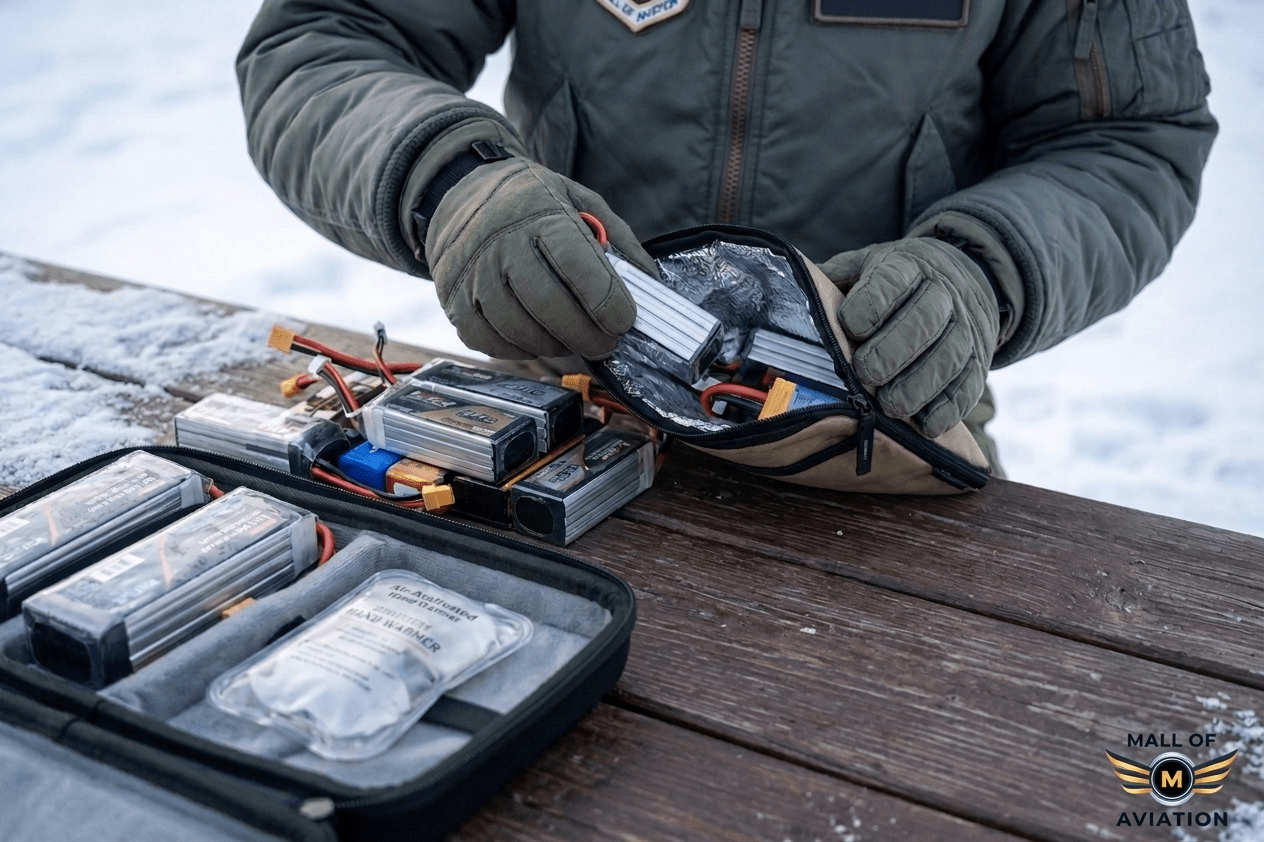
Figure 2: Keeping batteries warm is essential when you fly FPV drones in winter. Use insulation and proper storage for maximum performance.
Pro Tip: Warm batteries = more power + longer flight time. This simple rule is the most important thing to remember when you fly FPV drones in winter.
Keep Your Hands Warm for Better Control
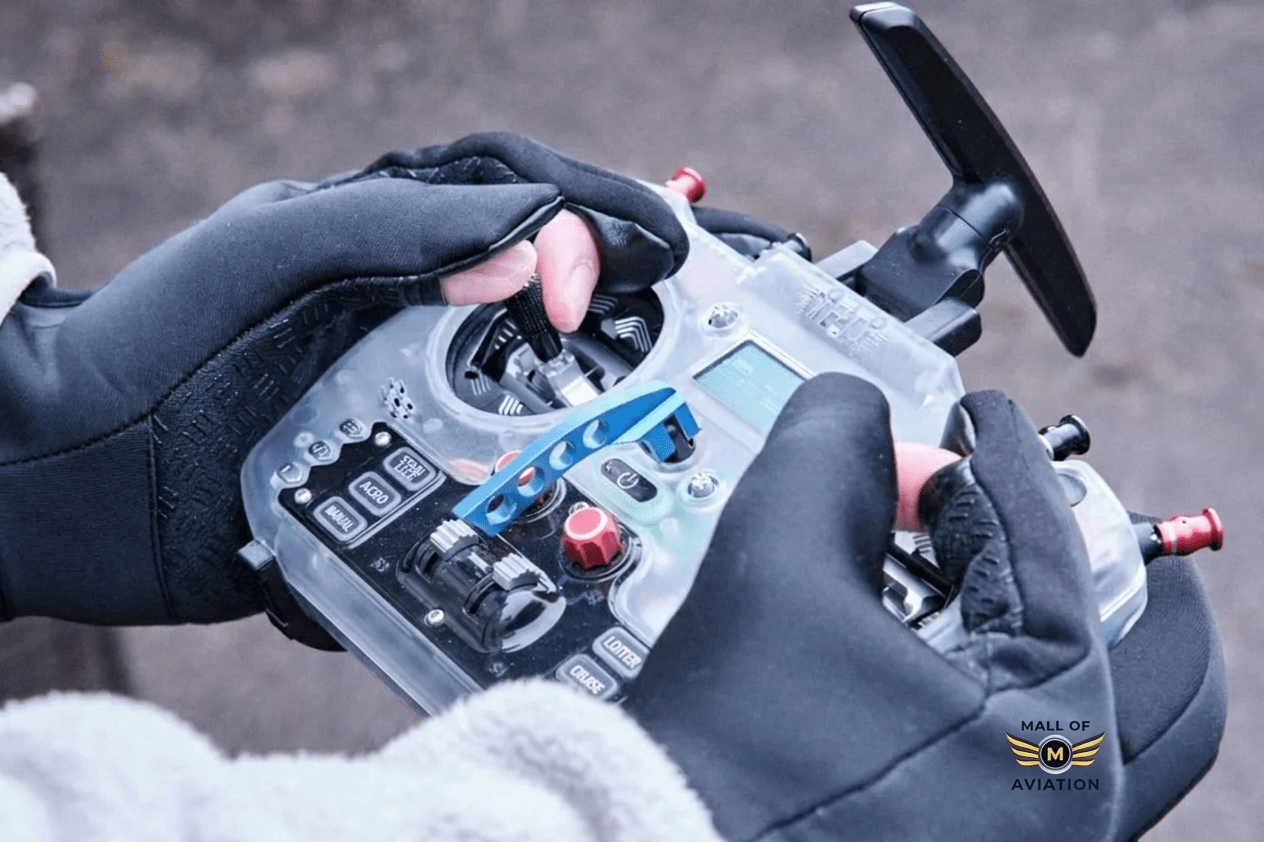
Cold hands equal poor control, which leads to crashes. When you fly FPV drones in winter, maintaining dexterity in your fingers is essential for precise control using an FPV remote controller. Here are the best options to keep your hands warm:
- Heated gloves: The best investment for winter pilots. Look for gloves with rechargeable batteries and thin fingertips for feel.
- Transmitter gloves: These zip around your radio and keep your hands inside a warm enclosure.
- Hand warmers: Disposable or rechargeable warmers placed near your hands can make a significant difference.
- Warm up inside the car: Keep your hands warm before stepping out to fly FPV drones in winter.
Warning: Numb fingers reduce reaction time and precision. Never attempt to fly FPV drones in winter with cold, numb hands. Take breaks to warm up regularly.
Flying FPV from Inside Your Car
A smart winter trick is to fly FPV drones in winter from inside your car. This allows you to stay warm with the heater running and protects you from wind and snow. However, there are important considerations:
- Stay warm: You can fly comfortably even in extreme temperatures.
- Protect yourself from wind: No more frozen fingers or face.
- Battery warming: Keep your batteries inside the car with you until flight time.
But be careful:
- signal may reduce due to interference, so using a high-quality FPV transmitter and receiver setup is important: Metal car bodies can block radio frequency signals. Keep your antennas outside if possible.
- Keep windshield facing flight direction: Position your car so you have a clear line of sight to where you want to fly FPV drones in winter.
- Carbon monoxide risk: Never run your car in an enclosed space. Always park in open, ventilated areas.
Pro Tip: When you fly FPV drones in winter from your car, use external antennas mounted outside the vehicle for better signal penetration and range.
How to Prevent FPV Goggles Fogging
Goggle fogging happens due to temperature differences between your face and the cold air. This is one of the most frustrating issues when you fly FPV drones in winter. Here are proven solutions:
- Pre-warm goggles: Keep your goggles warm inside your jacket or car before putting them on.
- Keep them powered ON before flight: The internal heat helps prevent fogging when you fly FPV drones in winter.
- Avoid sudden temperature changes: Transition slowly from warm indoors to cold outdoors.
- Use anti-fog wipes: Apply these to your goggles lenses before each session.
- Keep goggles on your forehead: Before flying, wear your goggles on your forehead to let them acclimate.
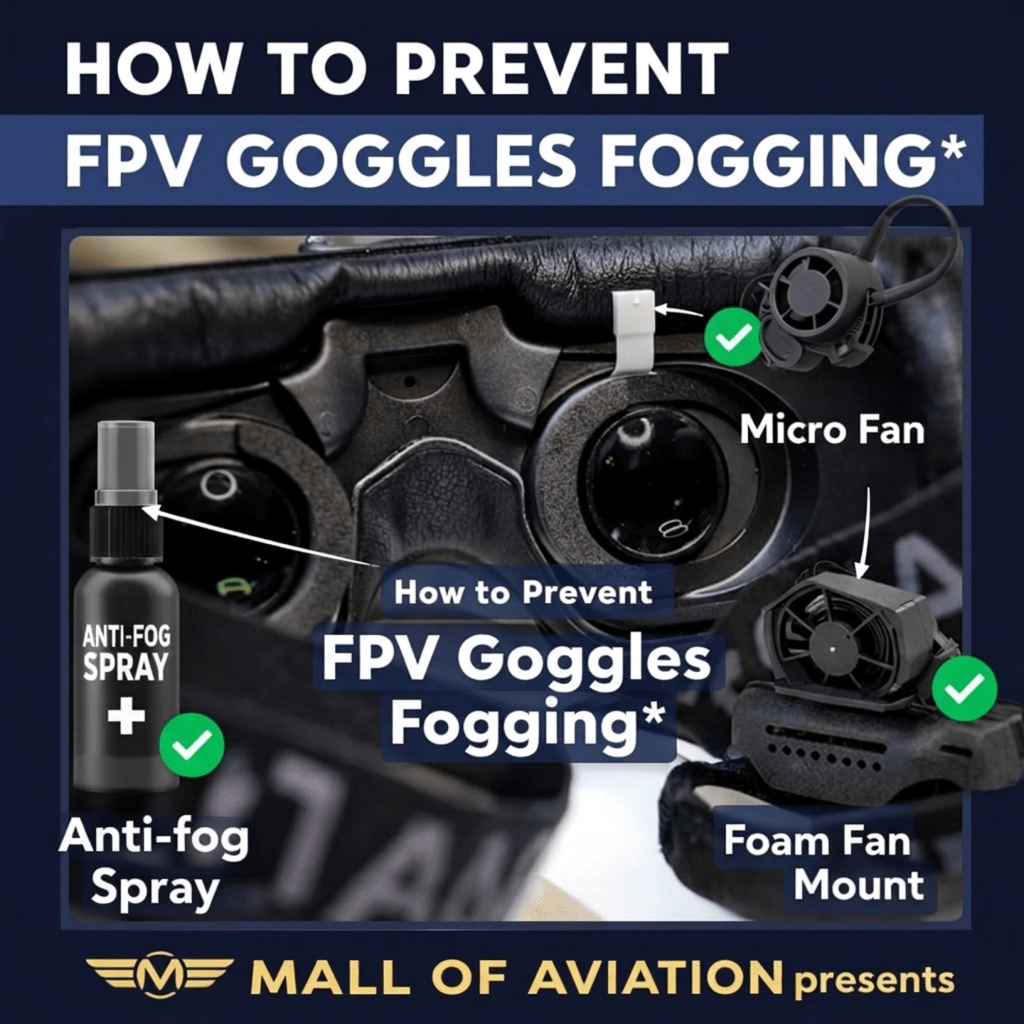
Figure 3: Preventing goggle fogging is essential when you fly FPV drones in winter. Keep goggles warm and use anti-fog solutions.
Simple Fix: Keep your goggles on your forehead for a few minutes before flying. This simple trick can save your session when you fly FPV drones in winter.
Flying FPV at Night in Winter
Winter means shorter days, which often leads to more night flying opportunities. Learning to fly FPV drones in winter at night opens up new creative possibilities:
- low-light FPV camera for night flying: Invest in a camera with good low-light performance for night flights.
- Bright LEDs: Add LED strips to your drone for orientation and visual impact.
- City lights create cinematic shots: Winter nights offer beautiful urban landscapes.
- Snow reflects light: Snow-covered ground actually helps with visibility at night.
Bonus: Night flying when you fly FPV drones in winter gives you cinematic shots that are impossible in summer. The contrast between dark skies and white snow is stunning.
Cold Damage Risks When You Fly FPV Drones in Winter
Cold temperatures make materials fragile and brittle. When you fly FPV drones in winter, be aware of these damage risks:
- FPV propellers break easily in cold weather: Cold propellers become brittle and can shatter on impact.
- Plastic components become brittle: Frame parts, antenna mounts, and camera cases can crack more easily.
- Glue loses strength: Adhesives like hot glue and some epoxies fail in extreme cold.
- Solder joints can crack: Thermal stress from cold to hot cycles can weaken connections.
- Bearings can seize: Cold lubricant can thicken, affecting motor performance.
- FPV motor performance may drop in cold weather: Low temperatures reduce efficiency and can affect smooth operation.
Warning: Always carry spare props and basic repair tools when you fly FPV drones in winter. Crashes that would be harmless in summer can cause damage in freezing temperatures.
Waterproofing and Moisture Protection
Snow and condensation are dangerous for electronics. Here is how to protect your gear when you fly FPV drones in winter:
- Use conformal coating for flight controller and ESC protection: Apply this protective layer to all exposed electronics on your flight controller and ESC.
- Keep drone dry after flight: Wipe down your drone immediately after landing to prevent ice buildup.
- Use sealed bag when moving indoors: Put your drone in a sealed plastic bag before bringing it inside to prevent condensation.
- Avoid snow landings: Land on your hand, a landing pad, or dry surfaces when possible.
- Allow gradual warming: Let your drone warm up slowly to prevent internal condensation.
Tip: Condensation damage is a hidden risk when you fly FPV drones in winter. Always allow your drone to warm up gradually. Never power it on immediately after bringing it from cold to warm.
Indoor Alternatives When It Is Too Cold to Fly Outside
Sometimes the weather is simply too extreme to fly FPV drones in winter outdoors. Here are ways to keep your skills sharp:
- FPV simulators: Practice in VelociDrone, Uncrashed, or Liftoff to maintain muscle memory.
- Tiny whoops for indoor flying: Small 1S whoops are perfect for indoor winter sessions.
- Build and repair projects: Winter is the perfect time to organize your gear and build new FPV drones using this complete build guide.
- Study tuning and Betaflight: Use indoor time to learn advanced configuration techniques.
Pro Tips for Winter FPV Flying
- Always warm batteries before flight: This is the most important rule when you fly FPV drones in winter.
- Keep spare batteries in your pocket: Body heat is your best friend for battery warmth.
- Use proper gloves for better control: Invest in transmitter gloves or heated options.
- Avoid flying in snowstorms: Visibility and electronics are both at risk.
- Check electronics after every flight: Inspect for moisture or damage between flights.
- Fly shorter sessions to stay safe: Multiple short flights are better than one long session.
- Keep your transmitter warm: Cold batteries in your radio can cause signal issues.
- Bring a towel: Wipe down your drone and gear before storing.
Upgrade Your Winter FPV Setup
Get batteries, GPS modules, FPV gear, and accessories designed for extreme conditions at Mall of Aviation. Everything you need to fly FPV drones in winter with confidence.
Frequently Asked Questions About Flying FPV Drones in Winter
1. Can I fly FPV drones in winter?
Yes, absolutely. You can safely fly FPV drones in winter by managing battery temperature, protecting electronics from moisture, and keeping yourself warm. This guide covers everything you need to know.
2. Why do batteries drain faster when I fly FPV drones in winter?
Low temperatures reduce the chemical efficiency inside LiPo batteries. When you fly FPV drones in winter, the internal resistance increases, causing faster voltage drop and reduced flight time. Warming batteries before flight solves this issue.
3. How do I keep batteries warm to fly FPV drones in winter?
Store batteries in your pockets, use insulated battery bags, or invest in a heated battery case. The key to successfully learning how to fly FPV drones in winter is keeping batteries at optimal temperature before and during flight.
4. Is winter flying dangerous for my drone?
It can be if you ignore battery and weather conditions. When you fly FPV drones in winter, always warm your batteries, protect electronics with conformal coating, and avoid flying in snowstorms. Proper preparation makes winter flying safe.
5. Do drones break more easily when I fly FPV drones in winter?
Yes, materials become brittle in low temperatures. Props, plastic frames, and antenna mounts are more likely to crack when you fly FPV drones in winter. Always carry spare parts and inspect your gear regularly.
6. How do I prevent goggles from fogging when I fly FPV drones in winter?
Pre-warm your goggles, keep them powered on, use anti-fog wipes, and let them acclimate before flying. Fogging is one of the most common frustrations when you fly FPV drones in winter, but these simple fixes work.
7. What is the best way to stay warm while flying FPV in winter?
Use transmitter gloves or heated gloves, wear layers, and consider flying from inside your car. Staying comfortable is essential to fly FPV drones in winter without losing control due to cold fingers.
Final Thoughts: Enjoy Winter Flying with Confidence
Winter does not mean you have to stop flying FPV drones. With the right preparation, you can fly FPV drones in winter safely and enjoy some of the most beautiful conditions of the year. Snow-covered landscapes, empty parks, and crisp cold air create flying experiences you simply cannot get in summer.
Remember the key principles to fly FPV drones in winter successfully:
- Keep your batteries warm before and during flight
- Protect your electronics with conformal coating
- Stay comfortable with proper gloves and warm gear
- Prevent goggle fogging with pre-warming and anti-fog solutions
- Carry spare parts and inspect your drone regularly
Cold weather adds challenges, but it also makes FPV flying more exciting and unique. The skills you develop learning to fly FPV drones in winter will make you a better, more adaptable pilot in all conditions.
At Mall of Aviation, we help you fly in every season — not just perfect conditions. Whether you need winter-ready batteries, conformal coating, or advice on your next build, we are here to support your FPV journey.
Recommended Resources for Winter FPV Flying:
For more technical details on battery care, visit RaceDayQuads Battery Guide and Oscar Liang LiPo Battery Guide. For official DJI winter flying tips, check DJI Official Website.