
E-Power Plus 25A ESC Controller
₹6,080E-Power Plus 25A ESC Controller for high RPM brushless motors. Supports 2–4S LiPo, smooth throttle response, and compact design for FPV drones and EDF aircraft.
ESC (Electronic Speed Controllers) are an important part of drone and UAV power systems. They control the power delivered to the motors, allowing the motors to respond to throttle commands and operate at the required speed.
At Mall of Aviation, our ESC collection includes options for FPV drones, quadcopters, RC aircraft, and other UAV projects. Whether you are building a new drone or replacing an existing controller, choosing an ESC with the appropriate current rating and motor compatibility is important for reliable operation.
Explore our range of drone ESC speed controllers, including 25A and 50A options, and select the model that matches your motor, battery, and overall power requirements.
Showing all 2 results
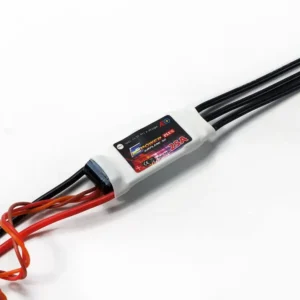
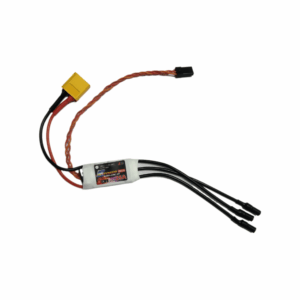
E-Power Plus 25A ESC Controller for high RPM brushless motors. Supports 2–4S LiPo, smooth throttle response, and compact design for FPV drones and EDF aircraft.
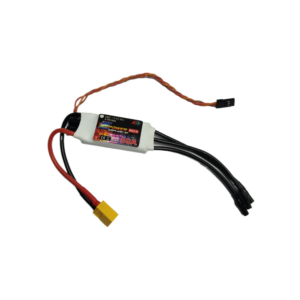
E-Power Plus 50A ESC for high RPM motors. Smooth throttle response, strong current handling, and reliable performance for drones and EDF aircraft.
An ESC (Electronic Speed Controller) is responsible for controlling the electrical power supplied to a drone motor. It receives throttle or control signals from the flight controller and adjusts motor operation accordingly. The ESC therefore plays an important role in how a drone responds to throttle commands and changes in motor speed.
The ESC category at Mall of Aviation includes electronic speed controllers for FPV drones, quadcopters, RC aircraft, and other UAV projects. Our current collection includes different current-rated options, such as 25A and 50A ESC controllers, suitable for different power and motor requirements.
During flight, the flight controller sends control signals to the ESCs based on the pilot's commands and the information received from the drone's sensors. The ESC then controls the electrical power supplied to the connected motor.
By adjusting motor speed, the ESC helps the drone change its throttle response, maintain stability, and perform movements such as climbing, descending, turning, and changing direction.
Choosing an ESC is not simply about selecting the highest current rating. The ESC should be compatible with the drone's motors, battery, propellers, flight controller, and expected power requirements.
Before purchasing an ESC, check important specifications such as:
Matching these specifications can help prevent power-related problems and ensure that the ESC is suitable for the rest of your drone's electrical system.
A 25A ESC can be suitable for drone configurations where the motor and power requirements fall within its rated operating range. It can be considered for appropriate FPV, quadcopter, and other small UAV builds when its specifications match the rest of the system.
Always check the motor's current requirements and the battery voltage before installing a 25A ESC. The correct combination depends on the complete power system rather than the ESC rating alone.
A 50A ESC provides a higher current rating than a 25A controller and can be considered for drone or aircraft configurations that require greater current capacity. The product shown in this category is designed as a high-RPM ESC speed controller.
As with any ESC, the 50A rating should be evaluated together with the motor, battery, propeller, and other electrical components. Checking the manufacturer's specifications before installation is important to ensure compatibility.
ESCs are commonly used in multi-rotor drones where each motor requires controlled electronic power. In an FPV quadcopter, the ESC works together with the flight controller and motors to translate pilot commands into changes in motor speed.
For custom UAV builds, selecting compatible ESCs can also help simplify wiring and ensure that the power system is properly matched to the selected motors and battery.
An ESC is part of a larger electrical system, so its specifications should be considered alongside the other components. Using an ESC that does not match the motor's current requirements or the battery voltage can create unnecessary stress on the electrical system.
Before installation, compare the ESC specifications with your motor's maximum current, battery voltage, propeller configuration, and flight controller requirements. This helps create a more suitable and reliable power setup.
ESCs can be used in a variety of electrically powered aircraft and RC projects, including:
The motor and ESC need to work together within their specified electrical limits. A suitable ESC should be able to handle the current demanded by the motor under the intended operating conditions.
When selecting an ESC, compare its current and voltage ratings with the motor specifications. Also consider the battery and propeller combination because these can affect the amount of current drawn by the motor.
An ESC, or Electronic Speed Controller, is an electronic device that controls the power supplied to a drone motor. It receives control signals and adjusts motor speed according to the required throttle and flight commands.
In an FPV drone, the ESC controls the speed of the motors by regulating the electrical power supplied to them. It works with the flight controller to respond to pilot inputs and maintain the required motor speeds.
Choose an ESC based on the motor's current requirements, battery voltage, propeller setup, flight controller compatibility, physical size, and intended application. The ESC's current rating should be appropriate for the motor and power system.
The main difference is their rated current capacity. A 50A ESC is designed to handle a higher current load than a 25A ESC, provided the rest of the drone's electrical system is compatible with it.
No. The ESC should be compatible with the motor's voltage and current requirements. Motor, battery, propeller, and ESC specifications should be checked together before installation.
The current rating indicates how much electrical current the ESC is designed to handle within its specified operating conditions. Selecting an appropriate rating helps ensure that the ESC can support the motor's power requirements.
Yes. The ESC is involved in controlling motor response and power delivery, so its compatibility with the motor, battery, and flight controller is important for proper drone operation.
No. Electronic speed controllers are also used in RC aircraft, boats, cars, robotics projects, and other electrically powered systems where motor speed needs to be controlled.
Explore the ESC category at Mall of Aviation to find electronic speed controllers for FPV drones, UAVs, quadcopters, RC aircraft, and custom builds. Before ordering, compare the ESC's current and voltage specifications with your motor, battery, and flight controller to select a suitable option for your project.
Don't have an account yet? Sign up
No items in your cart. Go on, fill it up with something you love!
Start Shopping Now